
Emergency Tree Removal in Singers Glen, VA: When a Tree Becomes an Immediate Risk
- Blue Mountain Arbor Team
- Mar 30
- 5 min read
Trees are a defining part of the rural landscape around Singers Glen, VA. Many homes, farms, and properties are surrounded by large mature trees, including towering maples, towering pines, and the occasional massive oak that has been part of the land for decades.
Healthy trees add beauty, shade, and environmental value to properties across the Shenandoah Valley. However, when severe weather events, disease, or structural damage occur, a once healthy tree can quickly become a hazardous tree that threatens a house, driveway, barn, or nearby power lines.
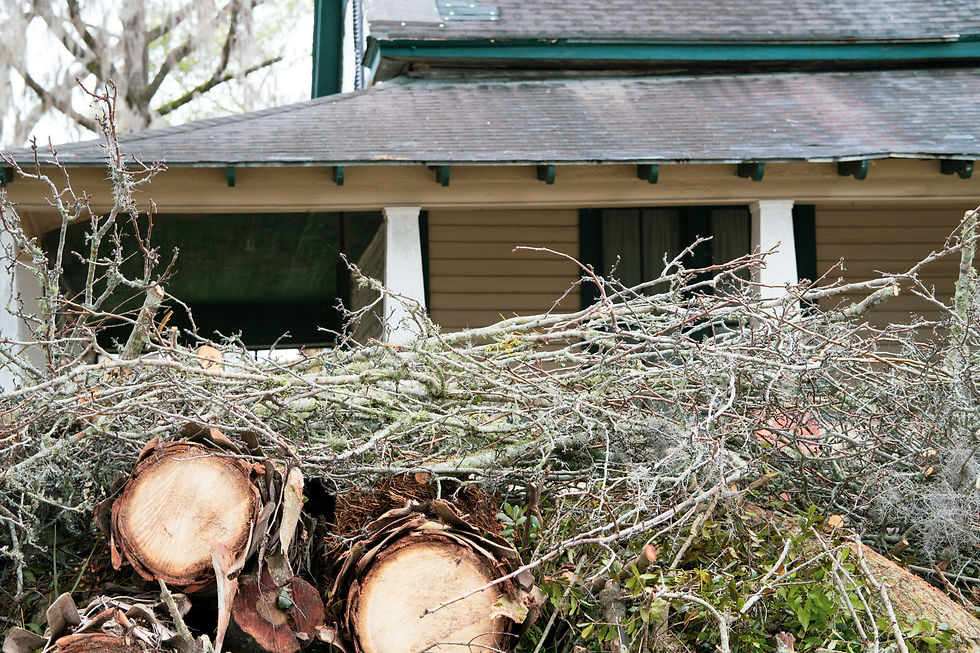
In these situations, emergency tree removal in Singers Glen may be necessary to restore safety and protect the surrounding property. When storm-damaged trees become unstable or begin to fail, waiting too long can lead to further damage to homes, vehicles, and landscapes.
At Blue Mountain Arbor, our emergency tree service focuses on protecting families, homes, and landscapes through safe and responsible tree removal services.
Our team responds quickly to tree emergency situations with the tools, training, and local expertise needed to handle the unique challenges trees present in this region.
When Emergency Tree Removal in Singers Glen Is Necessary
Storms are one of the most common causes of tree emergency situations in the Shenandoah Valley. Heavy rain, high winds, ice storms, and lightning can weaken tree structures and create dangerous conditions.
After these severe weather events, homeowners may discover fallen trees, broken limbs, or leaning trees that threaten their property.
Emergency tree removal is often required when:
Storm-damaged trees threaten homes
Strong winds can split trunks or leave trees leaning toward a house, garage, or barn.
Trees impacting power lines
Trees touching or leaning toward power lines create serious electrical hazards. These situations often require coordination with utility companies and experienced arborists.
A tree falls across driveways or access roads
Fallen trees can block driveway access, preventing emergency vehicles or residents from entering or leaving their property.
Large trees become uprooted
When soil becomes saturated after heavy rain, root systems can fail and cause trees to fall.
Lightning or storm damage weakens structural integrity
Trees may develop visible cracks or internal damage that compromises their structural integrity.
In these cases, fast emergency tree removal in Singers Glen, VA helps protect property, eliminate hazards, and restore safe access.

Warning Signs a Tree Has Become Dangerous
Many hazardous tree situations show warning signs before failure occurs. Recognizing these signs early allows homeowners to contact a professional tree service before the situation worsens.
Common indicators include:
Visible Cracks in the Trunk
Large visible cracks can indicate internal structural weakness and may lead to sudden failure during high winds or storms.
Leaning Trees
Sudden leaning trees often indicate root instability or soil erosion following storms.
Broken Limbs or Weak Branches
Storms frequently leave broken limbs and weak branches hanging overhead. These limbs may fall without warning.
Trees Impacting Power Lines
Any trees impacting power lines must be handled by trained professionals using specialized equipment to ensure safety.
Fallen Trees or Uprooted Trees
When a tree falls or begins to uproot, emergency tree removal services may be necessary to prevent further damage.
If you notice these signs on your property, scheduling an initial assessment with a professional arborist is the safest step.
Risks of Waiting Too Long to Remove a Hazardous Tree
One of the biggest mistakes property owners make is assuming a damaged tree will remain stable for weeks or months.
Once a tree’s structural integrity is compromised, it may collapse without warning.
Waiting too long can lead to:
• Additional storm damage during future storms• A tree falls, damaging homes or vehicles• Broken limbs injuring people or animals• Increased property repair costs• Greater risk for nearby trees and landscape health
Prompt emergency tree removal in Singers Glen helps prevent accidents and reduces the risk of additional damage.
How Emergency Tree Removal Is Performed Safely
Emergency tree removal services require planning, training, and specialized equipment. Our emergency response teams approach every job with safety as the top priority.
Initial Assessment
Every emergency begins with an initial assessment of the tree and the surrounding property. Our arborists evaluate storm damage, leaning trees, nearby structures, and proximity to power lines to determine the safest removal method.
Advanced Equipment and Tools
Complex removals often require advanced equipment, including chainsaws, rigging systems, and heavy-duty cranes.
Our modern fleet of equipment allows our highly skilled professionals to safely remove large trees in tight spaces.
Controlled Tree Removal Process
Large trees are removed in sections to prevent additional damage. Our team carefully lowers branches, chips branches, and removes trunk sections piece by piece.
This approach protects landscaping and surrounding structures during complex removals.
Complete Site Cleanup
After removal, we perform a complete site cleanup so the property is left clean and safe.
Our crews remove debris, haul away wood, and ensure the site cleanup process leaves the property cleaner than before.
Protecting Your Property After Tree Removal
Removing a hazardous tree is often only the first step in restoring a safe landscape.
Preventative care helps protect trees and prevent future emergencies.
Property owners can reduce risks by:
• Scheduling routine tree service inspections• Removing weak branches before storms• Monitoring trees for storm damage• Planning tree placement away from structures• Maintaining healthy soil conditions
Routine care protects both tree health and property safety.
Serving Singers Glen Residents and Surrounding Communities
Blue Mountain Arbor proudly provides services in Singers Glen, VA, and surrounding communities throughout the Shenandoah Valley.
Our fully licensed and trained team understands the unique challenges trees face in this region, from intense storms to aging hardwood forests.
We are committed to delivering professional service, clear communication, and dependable tree removal services that prioritize safety and customer satisfaction.
Our commitment extends beyond simply removing trees. We aim to help property owners protect the long-term health of their landscapes through responsible tree care and expert recommendations.
Trusted Emergency Tree Removal in Singers Glen, VA
When disaster strikes and a tree becomes a threat to your home or property, professional help is essential.
Handling dangerous trees without the proper training or equipment can cause serious injuries or further damage.
If you are dealing with storm-damaged trees, fallen trees, or a tree emergency, Blue Mountain Arbor provides fast and reliable emergency tree removal in Singers Glen, VA.
Our experienced team is ready to respond to emergency calls, safely remove hazardous trees, and help restore safety to your property.
Your trees deserve expert care.Your property deserves protection.Your family deserves peace of mind.
Helpful Links and Resources for Emergency Tree Removal
The National Storm Damage Center (NSDC) provides valuable information on storm preparedness and recovery, including tips for dealing with fallen trees and storm damage. Visit the National Storm Damage Center
The Arbor Day Foundation is a nonprofit organization offering resources on tree care, maintenance, and safety, including how to handle damaged trees after a storm.Visit the Arbor Day Foundation
The International Society of Arboriculture (ISA) provides a directory of certified arborists and educational materials on tree care and safety. Visit the ISA Website
Ready.gov offers comprehensive guides on preparing for and responding to natural disasters, including handling tree-related hazards. Visit Ready.gov
The Tree Care Industry Association (TCIA) provides resources on hiring professional tree care services and understanding tree safety standards. Visit the TCIA Website
The Federal Emergency Management Agency (FEMA) offers disaster recovery resources, including guidance on dealing with storm-damaged trees and debris removal. Visit FEMA
Your Local Cooperative Extension Office provides region-specific advice on tree care, storm damage, and emergency removal services. Find Your Local Extension Office

