
Emergency Tree Service in Dayton, Virginia: Fast Help When Trees Become Dangerous
- Blue Mountain Arbor Team
- Apr 9
- 8 min read
If you are searching for emergency tree service in Dayton, Virginia, there is a good chance something on your property has changed fast. Maybe a severe storm pushed a tree too close to your home. Maybe large limbs came down across your driveway. Maybe you noticed a tree leaning after high winds, root movement in the soil, or branches hanging dangerously near power lines.
When that happens, speed matters. So does caution.
At Blue Mountain Arbor, we provide emergency tree service with a focus on safety, clear communication, and careful response. We know how stressful these situations can be for homeowners, businesses, and property managers. When a tree becomes unstable, the priority is protecting people, homes, vehicles, driveways, and everything else around it while preventing further damage.
Our job is to respond quickly, assess the risk honestly, and handle the work with the skill and professionalism emergency situations require.
Emergency Tree Service in Dayton, Virginia Starts With Safety
Not every storm leaves behind obvious damage. Sometimes the danger is easy to see, like fallen trees, split trunks, or broken limbs hanging over a roof. Other times, the warning signs are quieter. A tree may begin to lean. The ground may lift near the base. Cracks may appear in the trunk after a severe storm. A canopy may look uneven or suddenly thin after heavy wind or snow.
These are all signs that a tree may be unsafe.
When we provide emergency tree service in Dayton, Virginia, we start by looking at the full picture. We assess the tree size, the direction of lean, nearby structures, utility lines, access points, surrounding soil conditions, and the overall level of risk. Some situations call for fast cleanup and stabilization. Others require a more involved removal plan using specialized techniques and equipment.
Either way, we prioritize safety first.
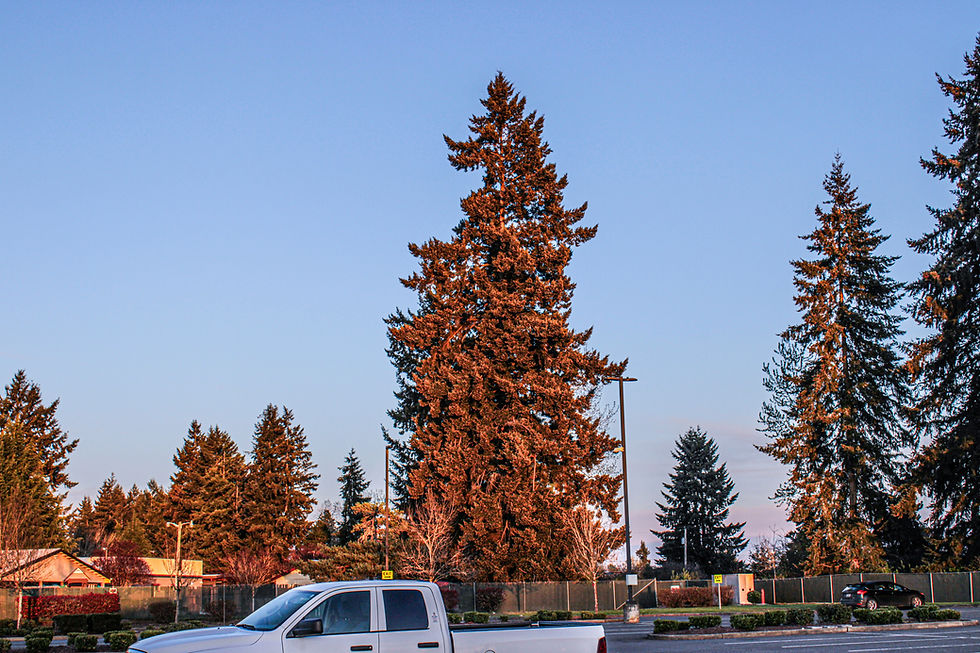
Common Emergency Warning Signs Property Owners Should Not Ignore
A tree emergency is not always dramatic at first. Sometimes the problem starts small and gets worse quickly. We encourage property owners to take action if they notice any of the following:
a tree leaning suddenly after storm damage
cracked or split trunks
large limbs hanging over a house, driveway, or walkway
branches touching or threatening power lines
root plate movement or lifting soil near the base
a tree resting on a structure or fence
visible decay, structural damage, or loss of structural integrity
trees weakened by pest infestation or previous damage
storm-damaged branches that could fall without warning
These are not issues to monitor casually. In many emergency situations, waiting increases the chance of property damage and puts people at unnecessary risk.
Storm Damaged Trees Can Create Immediate Danger
One of the most common reasons people call us is because of storm damaged trees. After strong winds, heavy rain, snow, or ice, even previously healthy trees can become unstable. Branch unions may fail. Root systems may shift. Weak spots in the trunk may open up. A tree that looked solid the day before may suddenly present an immediate danger.
This is especially true in areas with mature shade trees, older tree species, or trees growing close to homes, garages, sheds, driveways, and roads. In Dayton and throughout Rockingham County, storm damage can affect both residential and commercial properties, and the risks can escalate fast.
That is why prompt response matters. Quick action can help protect the property, reduce hazards, and keep a dangerous situation from becoming worse.
Emergency Tree Removal When Safe Removal Is the Best Option
Sometimes, trimming or light corrective work is enough to reduce risk. Other times, the safest path is emergency tree removal.
If a tree is split, uprooted, hanging over a structure, or leaning dangerously near utility lines, removal may be necessary to protect the property and the people around it. In those cases, our goal is safe removal with as little disruption as possible.
We approach every tree removal job carefully. We consider the condition of the entire tree, the surrounding space, nearby structures, access limits, and the safest method for taking it down. Some trees can be removed in sections with standard rigging. Others require more complex solutions because of tree size, location, or damage pattern.
We do not recommend removal lightly. Our first priority is preservation whenever possible. But when the risk is too high, honest guidance matters.
Crane-Assisted Tree Removal for Large or Difficult Emergencies
In more complex cases, crane-assisted tree removal may be the safest and most efficient option. This is especially true when dealing with large trees, storm-damaged trunks, failed root systems, or trees positioned over homes, driveways, fences, or tight access areas.
Using a crane is not about making the job look impressive. It is about control.
When conditions call for it, crane work helps us remove sections of a damaged tree in a more controlled way. It can reduce stress on the surrounding property, lower risk to the crew, and help us manage hazardous situations where standard dismantling methods may not be enough.
Combined with advanced rigging techniques, professional-grade equipment, and careful planning, this approach allows us to work safely even in difficult emergency conditions.
Tree Service Near Power Lines and Utility Areas Requires Extra Caution
A tree emergency becomes even more serious when branches or trunks are near power lines or other utility lines. In these situations, the danger is not only to the property. It can also affect public safety, service access, and nearby infrastructure.
This kind of tree work requires extra caution. Depending on the situation, there may need to be coordination with utility companies before removal or cleanup begins. No property owner should try to handle these conditions alone.
Our role is to assess the hazard, help protect the property, and take the safest possible route based on the location and the level of risk. When electricity, service lines, or access points are involved, every step has to be intentional.
Professional Tree Care During Emergency Situations
Although emergencies require fast action, they still call for sound judgment. A rushed decision can create bigger problems. That is why we bring the same thoughtful mindset to emergency jobs that we bring to the rest of our professional tree care services.
We look at the tree, the property, and the full context of the situation. We consider whether the tree can be stabilized, whether removal is necessary, and what equipment is needed to protect the site. Our emergency response team uses advanced equipment, heavy equipment, and the necessary tools to work safely while keeping disruption to a minimum.
For us, emergency work is not just about cutting and hauling. It is about protecting the property, responding with professionalism, and leaving the site safer and cleaner than we found it.

What to Know About Certified Arborists and Industry Standards
Many people searching for emergency help also search for certified arborists or ISA-certified arborists. We understand why. When a tree becomes dangerous, you want confidence in the team responding.
We believe trust starts with honesty.
Blue Mountain Arbor is a proud member of the International Society of Arboriculture and the Tree Care Industry Association. While we are not ISA-certified arborists, we do have TCIA-certified staff on our team. Our work is guided by high industry standards for safety, ethics, and quality.
To us, that means showing up prepared, giving a professional assessment, communicating clearly, and treating every Dayton property with care and respect. It also means focusing on property protection, safe work practices, and service you can rely on when the situation is stressful.
Debris Removal, Stump Grinding, and Final Cleanup
Emergency services often do not stop once the immediate danger is gone. Many jobs also require debris removal, cleanup, and next-step support to fully restore the property.
After a tree comes down, there may still be broken wood, scattered branches, damaged garden beds, blocked access points, or leftover stumps to deal with. In some cases, stump grinding is the right next step to make the area safer and more usable. In others, the priority is clearing the site, reducing tripping hazards, and helping the property feel manageable again.
We take cleanup seriously. A professional emergency job should not leave behind a mess. It should leave the property cleaner, safer, and easier to move forward from.
Transparent Pricing and Honest Communication Matter in Emergencies
In urgent situations, people need help fast, but they also deserve clear communication. That includes straightforward expectations around timing, process, and cost.
We know tree removal cost is often a concern, especially after storm damage or unexpected failure. While every emergency is different, we believe in transparent pricing, honest pricing, and no hidden fees. Factors like access, tree size, severity of damage, equipment needs, and the complexity of the removal all affect the job, but the process should still be explained clearly.
Property owners may also need documentation for insurance claims, especially when a tree has caused visible structural damage or affected vehicles, fences, roofs, or other property features. Good communication helps people make better decisions during a stressful time.
Why Dayton Property Owners Call Blue Mountain Arbor
When people call us for services in Dayton, they are usually looking for a team that can respond fast, work safely, and handle the situation without adding more stress to an already difficult day.
That is exactly how we try to serve.
We are a locally owned company with strong knowledge of Valley conditions, regional trees, and the kinds of storm-related issues that affect homes, farms, and businesses in this area. Whether we are responding to a broken limb, a dangerous lean, or a full emergency tree removal, we bring the same careful mindset to every job.
We understand that people are trusting us with their home, their access, their safety, and their peace of mind. That matters to us.

Contact Blue Mountain Arbor for Emergency Tree Service in Dayton, Virginia
If a tree on your property has become unstable, fallen, or dangerous after a storm, do not wait for the problem to get worse. Fast, careful action can help reduce risk, protect your home, and prevent additional damage.
At Blue Mountain Arbor, we provide emergency tree service in Dayton, Virginia, for storm-damaged trees, broken limbs, leaning trunks, hazardous failures, and urgent tree removal needs. From initial assessment to final cleanup, we are here to help you protect your property and move forward safely.
Contact Blue Mountain Arbor today if you need emergency tree service in Dayton, VA. We are ready to respond with professional care, local experience, and a strong commitment to safety.
Helpful Links and Resources for Emergency Tree Services
When dealing with tree-related emergencies, having access to reliable resources can make all the difference. Here are seven helpful links to guide you through various aspects of tree care, safety, and emergency preparedness:
National Storm Damage Center (NSDC): The NSDC provides resources and guidance for homeowners dealing with storm-related damage, including fallen trees and debris. Visit the NSDC website
International Society of Arboriculture (ISA): The ISA offers a wealth of information on tree care, safety tips, and finding certified arborists in your area. Visit the ISA website
Ready.gov - Storm Preparedness: This government resource provides tips on preparing for severe weather events, including how to handle tree-related hazards. Visit Ready.gov
Tree Care Industry Association (TCIA): TCIA provides educational materials on tree care and safety, as well as resources for hiring qualified tree care professionals. Visit the TCIA website
American Red Cross - Disaster Preparedness: The American Red Cross offers guidance on disaster preparedness, including steps to take when trees pose a safety risk. Visit the American Red Cross website
National Arbor Day Foundation: This foundation promotes tree health and care, offering resources on planting, maintaining, and protecting trees. Visit the Arbor Day Foundation website
Occupational Safety and Health Administration (OSHA) - Tree Care Safety: OSHA provides safety guidelines for tree care and removal, ensuring proper precautions are taken during emergencies. Visit the OSHA website


